Automation is no longer a futuristic concept — it is a very real force that is transforming industries across India today. From smart machines in factories to intelligent software managing data, automation is steadily replacing many routine tasks while also creating opportunities for innovation and growth. Here’s what you need to know about this trend and its impact on India’s workforce and economy.
Understanding Automation and AI
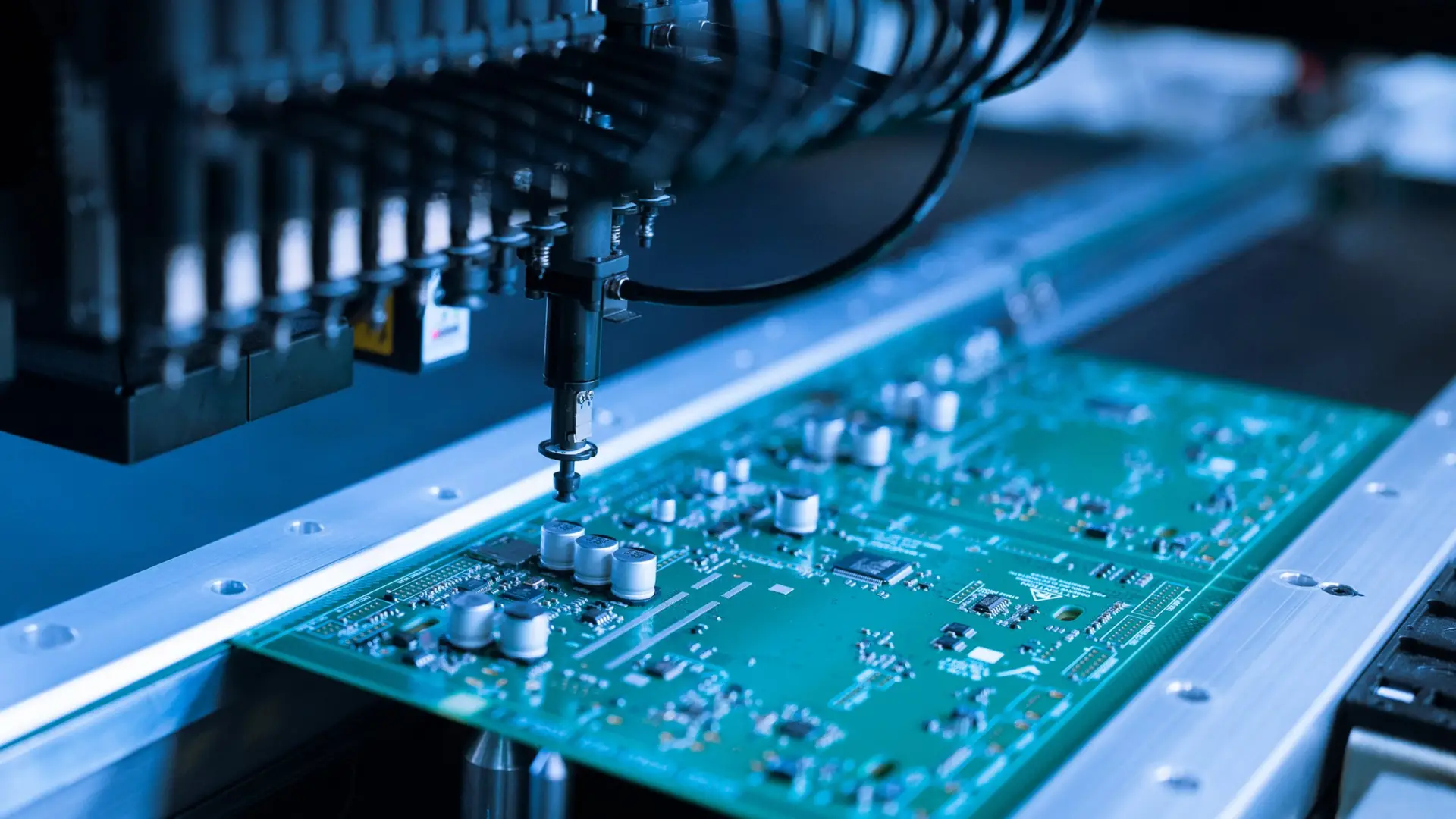
At its core, automation refers to using technology to perform tasks with minimal human effort. In industries ranging from manufacturing to banking, automated systems now handle many of the repetitive activities once done by workers.
It’s important to distinguish between automation and Artificial Intelligence (AI). While automation involves machines following programmed instructions, AI adds an extra layer of intelligence — enabling machines to learn from data, adapt to new situations, and make decisions. Together, these technologies are powering the next wave of digital transformation.
Benefits of Embracing Automation
Automation offers several advantages to businesses:
- Increased Efficiency: Automated systems can work faster and more consistently than humans, leading to significant productivity gains.
- Fewer Errors: Machines follow precise instructions, reducing the chance of human mistakes and improving product or service quality.
- Time Savings: Complex or repetitive tasks can be completed far more quickly, freeing up human workers to focus on higher-value activities.
In a competitive global market, these benefits are helping Indian companies improve their efficiency and agility.
Challenges: The Other Side of the Coin
While automation unlocks many benefits, it also comes with some challenges:
- Job Displacement: Many routine and manual roles are being phased out, leaving workers vulnerable to job loss unless they reskill.
- High Costs: Implementing advanced automated systems requires substantial investment in both technology and maintenance.
- Skills Gap: There is growing demand for workers with expertise in emerging technologies — a gap that must be addressed through training.
How Automation is Changing India’s Job Market
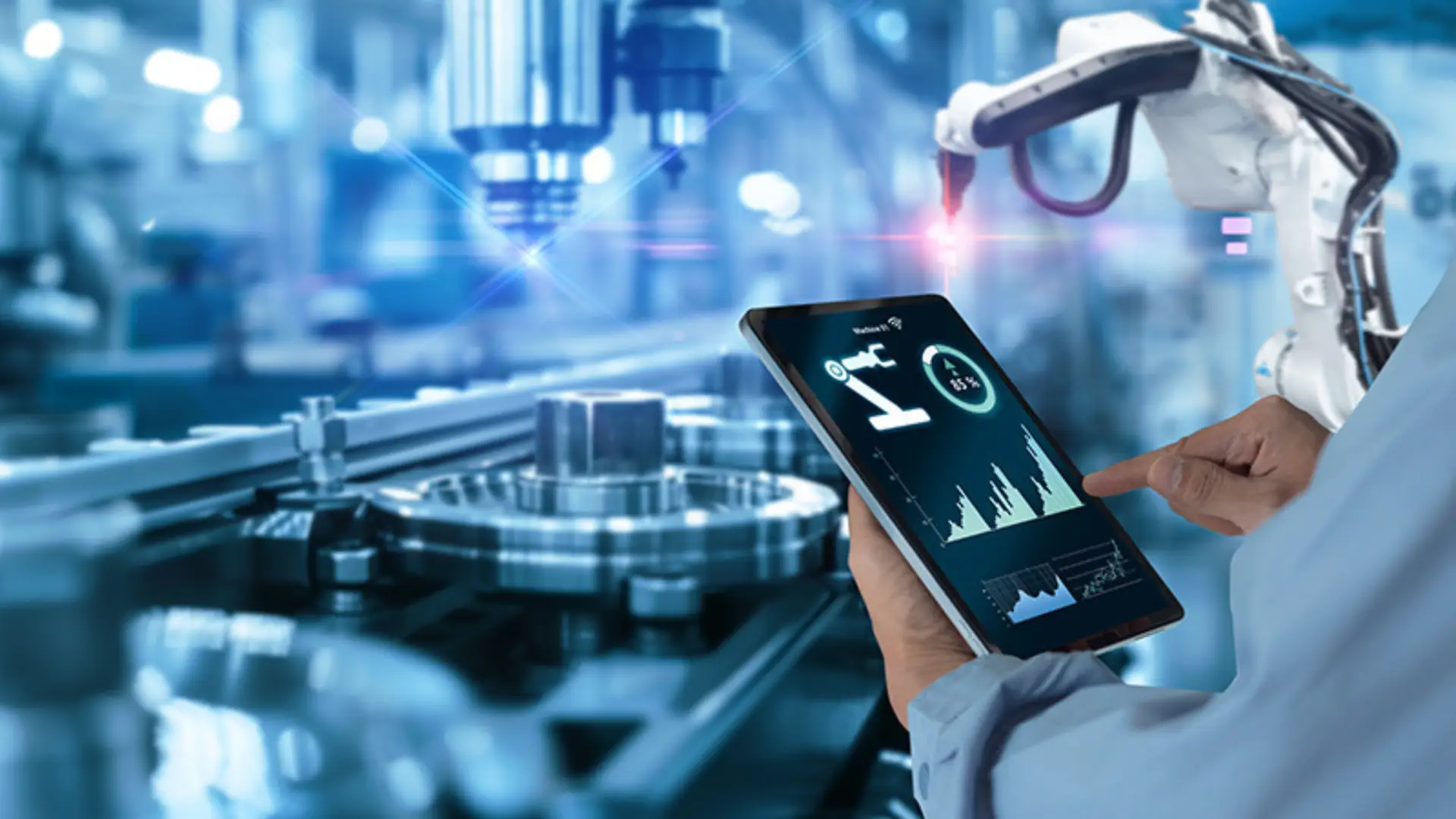
In sectors such as automotive manufacturing, robotic arms now assemble parts with precision and speed. Similarly, in the IT and financial services industries, bots and AI tools handle customer service, data processing, and fraud detection.
This shift is reducing the need for certain manual and clerical jobs, but at the same time, new roles are emerging — particularly in areas such as:
- Software development for automation systems
- AI and machine learning engineering
- Robotics maintenance and programming
- Data analytics and process optimization
In short, the nature of work is evolving — and Indian professionals will need to evolve with it.
Preparing for the Future
Recognizing these trends, many companies and educational institutions are investing in reskilling programs to equip workers with future-ready skills. Governments and industry bodies are also promoting digital literacy and supporting initiatives in AI and robotics.
As India moves toward becoming a digital-first economy, automation will continue to shape the landscape of employment. The key will be to strike the right balance: leveraging technology to drive progress, while ensuring that workers are empowered to thrive in this new environment.
Conclusion
Automation is transforming how India works — offering both exciting opportunities and real challenges. By investing in the right skills and embracing continuous learning, both businesses and individuals can turn this technological shift into a powerful engine for innovation and inclusive growth.